Uzbek pilaf in Khorezm style
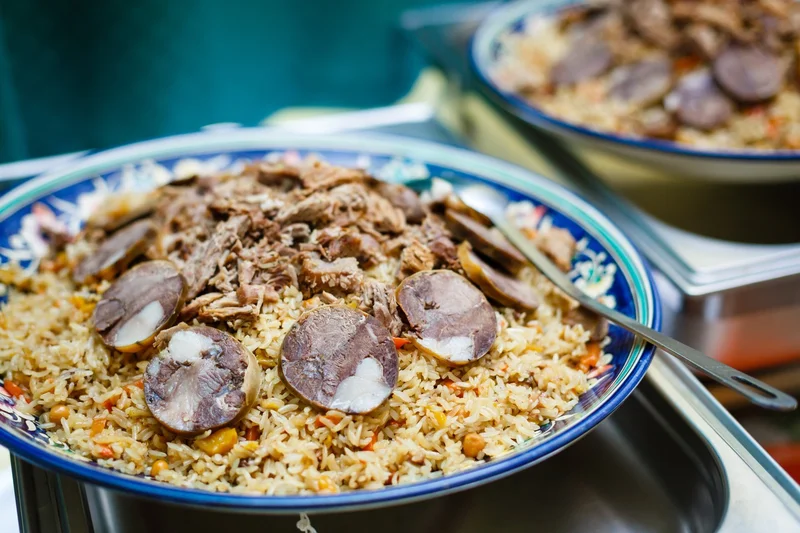
Источник фото: https://ru.123rf.com/profile_sinenkiy
When the topic of cooking pilaf comes up, I can talk for a very long time and it’s hard to stop me.
As a person who has lived in Uzbekistan for more than 20 years, I know different types of pilaf, and there are as many of them as there are regions in Uzbekistan. They all differ in the method of preparation, the composition of spices and the method of serving.
Today I want to introduce you to Khorezm pilaf. I believe this is the healthiest dish prepared in a healthier way. It does not contain spices and they do not interrupt the taste and aroma of the pilaf itself. Vegetables are not overcooked in a large amount of oil, but the taste and aroma of this pilaf is simply amazing. I admit that I did not immediately get the correct result and this correctness was expressed not in the friability of the rice, but precisely in the correct smell of this pilaf. I would like to say a few words about rice. Any rice is not suitable for good pilaf. It must be durum rice, with a low starch content, preferably the alanga, laser, devzira varieties... It is also advisable to take yellow carrots, but this is grown only in Uzbekistan. In Uzbekistan, it is customary to cook pilaf with cottonseed oil; it has a special taste and smell; I do not use this oil for other dishes.
Ингредиенты
Beef - 800 g
Rice - 700 g
Onion - 3 pcs.
Carrots - 700 g
Vegetable oil (preferably cottonseed oil) - 150 ml.
Hot chili - 2 pods
Salt - to taste
Рецепт
1. Real pilaf is cooked slowly, at least 2 hours, so let's start from afar... Wash the carrots and cut them into shavings by hand. This is how carrots are cut for pilaf only in Khorezm.
2. Cut the onion into thin half rings.
3. Place the cauldron on the fire and heat it up. Then pour in the oil and also heat until almost smoking. This must be done so that later nothing burns or sticks. Place large pieces of meat into hot oil. Be careful - splashes! Quickly cover the cauldron with a lid. Then you will need to open the lid and fry the meat over high heat until golden brown. The main thing is to seal the meat juices.
4. Now attention - the main difference in preparing Khorezm pilaf - add a glass of water and close the lid. Reduce the heat and simmer for 30-40 minutes, until the water has completely boiled away. As soon as the water boils away and the meat becomes softer, salt it well. Now is the time to add the onions. Place onions and carrots in the cauldron. We don't mix anything. You can only use a slotted spoon to poke the entire contents of the cauldron from below. Cover with a lid and simmer in its own juice for about 20 minutes until the carrots reduce in volume.
5. Next comes the rice. It is washed several times to remove excess starch until the water is completely clear. For Tashkent pilaf, rice is generally soaked in water for an hour. Place rice on top of carrots, leveling.
6. Salt and pour hot water through a slotted spoon or spatula. The water should cover the rice by 1 cm. This depends on the type of rice and its ability to absorb water.
7. Salt and pour hot water through a slotted spoon or spatula. The water should cover the rice by 1 cm. This depends on the type of rice and its ability to absorb water.
8. Immediately collect the rice from the edges of the cauldron to the middle, making a mound.
9. Cover the cauldron with a lid, reduce the heat and let the pilaf steam until cooked. Periodically, you can open the lid and stir only the rice, without touching the carrots and meat. This usually takes 20-30 minutes. The finished rice should be crumbly but firm. Each grain of rice should come off easily.
10. Now you can mix the pilaf. Remove the meat and cut it into small pieces for serving. Return the rest of the meat back to the cauldron.
11. Pilaf is served with tomato salad Achik-Chuchuk and green tea. And strong drinks are consumed before or before pilaf)). The aroma from it lingers around the apartment for a long time!
Читайте также на наших страницах:
 Сент-Эндрюс: колыбель гольфа, которая пускает на главное поле по лотерее Городок, где игру придумали пастухи, а сегодня продают по лотерее: на Old Course пускают через баллотировку, и это честнее, чем очередь за дефицитом. Путешествия 3 130
  Шесть сломанных туалетов заставили самолет American Airlines сесть в Нью-Йорке Из Мадрида в Даллас, с шестью сломанными туалетами из восьми: American Airlines села в Нью-Йорке, чтобы пассажиры не устроили очередь длиннее рейса. Путешествия 3 630
  Фингер-Лейкс: 36 часов на одиннадцать ледниковых озёр, водопады и рислинг 36 часов на одиннадцать озёр — план для тех, кто уверен, что отпуск измеряется числом дегустаций, а не часами отдыха. Путешествия 4 415
  Авиабилеты в США подорожали: закрытие Spirit Airlines убрало главный ценовой тормоз После закрытия Spirit внутренние перелёты в США стали менее конкурентными, а топливо и труд дорожают. Авиакомпании всё ещё предлагают экономить, просто теперь по цене обычного тарифа. Путешествия 3 669
  Что посмотреть в Ванкувере за 36 часов: маршрут от Стэнли-парка до Грауз-Маунтин Ванкувер за 36 часов — попытка уместить океан, горы и три гастрономические культуры в короткий уикенд, который всё равно размоет дождём. Путешествия 3 597
 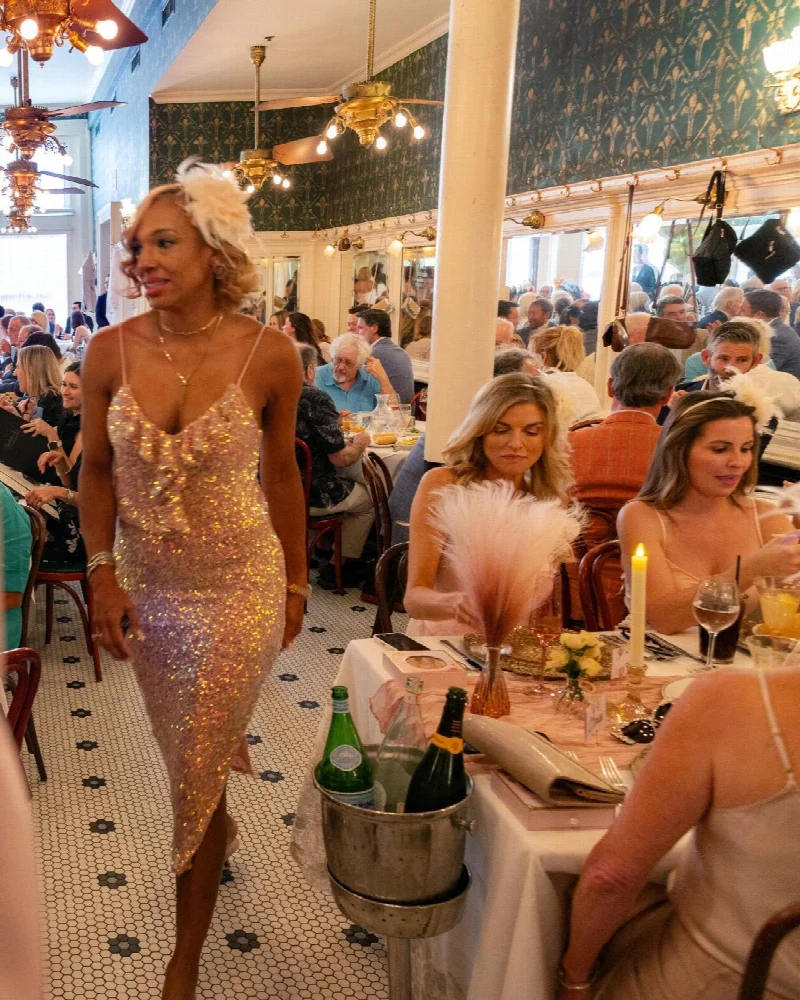 Новый Орлеан за 36 часов: маршрут по Французскому кварталу, джазу, бигнетам и болотам Луизианы Тридцать шесть часов в городе, где сахарная пудра считается завтраком, джаз звучит из каждой двери, а вечерние планы снова сорвёт случайный уличный парад. Путешествия 3 586
 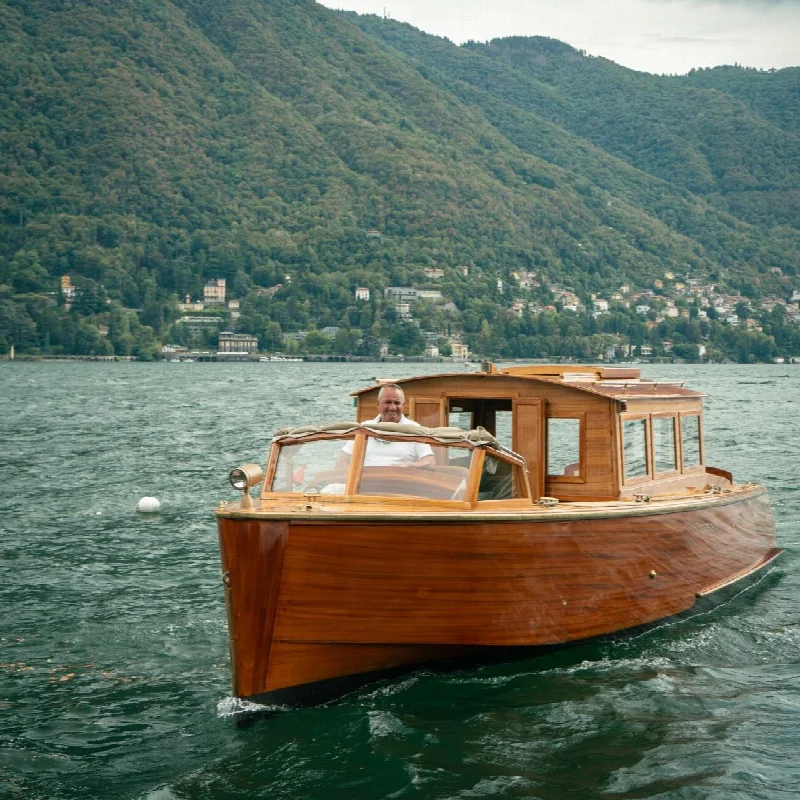 Озеро Комо за 36 часов: маршрут, паромы и виллы 36 часов на Комо — это два парома, фуникулёр и твёрдое понимание, что виллу с видом на воду вам всё равно не купить. Путешествия 3 681
  Revology Mustang Boss 302: цена, характеристики и тест современного рестомода Построить старый Mustang по современным стандартам? Всего 400 тысяч долларов, плюс свистящее окно в комплекте. Аутентичность нынче дорога. Авто 13 451
  Ford Mustang Dark Horse SC: 795 л.с. вместо Shelby GT500 Ford переименовал Shelby GT500 в Dark Horse SC, добавил 35 л.с. и довёл цену до 175 565 долларов. Теперь это Mustang с наценкой за отсутствие шильдика Shelby. Авто 14 440
  Honda Accord 1988 и 1994: почему два старых купе до сих пор побеждают новинки Пока современные автомобили обрастают экранами и толстеют, два идеальных Accord из прошлого доказывают: настоящий кайф — в тонких стойках, механике и отсутствии лишнего. Авто 14 702
 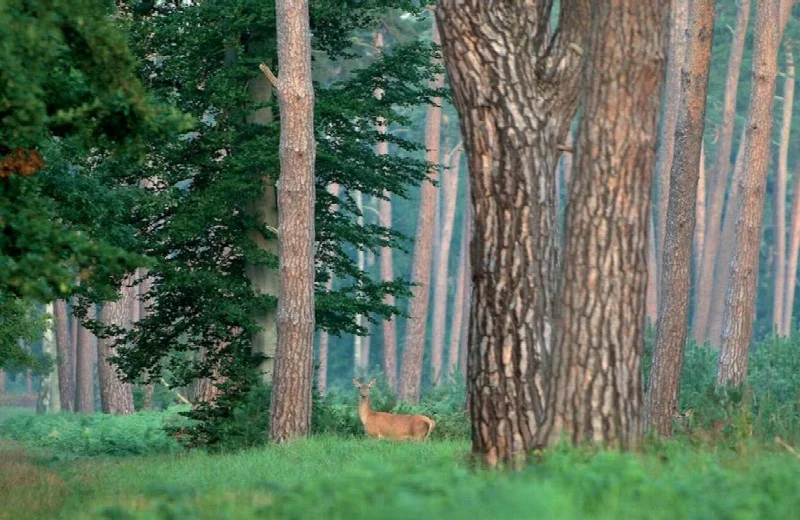 Компьень: императорская роскошь, лес и следы Наполеона Компьень — единственный город Франции, где четыре династии оставили дворцы, лес и театр. Наполеон III принимал элиту, а теперь любой турист может заглянуть в императорские спальни по билету. Путешествия 15 773
 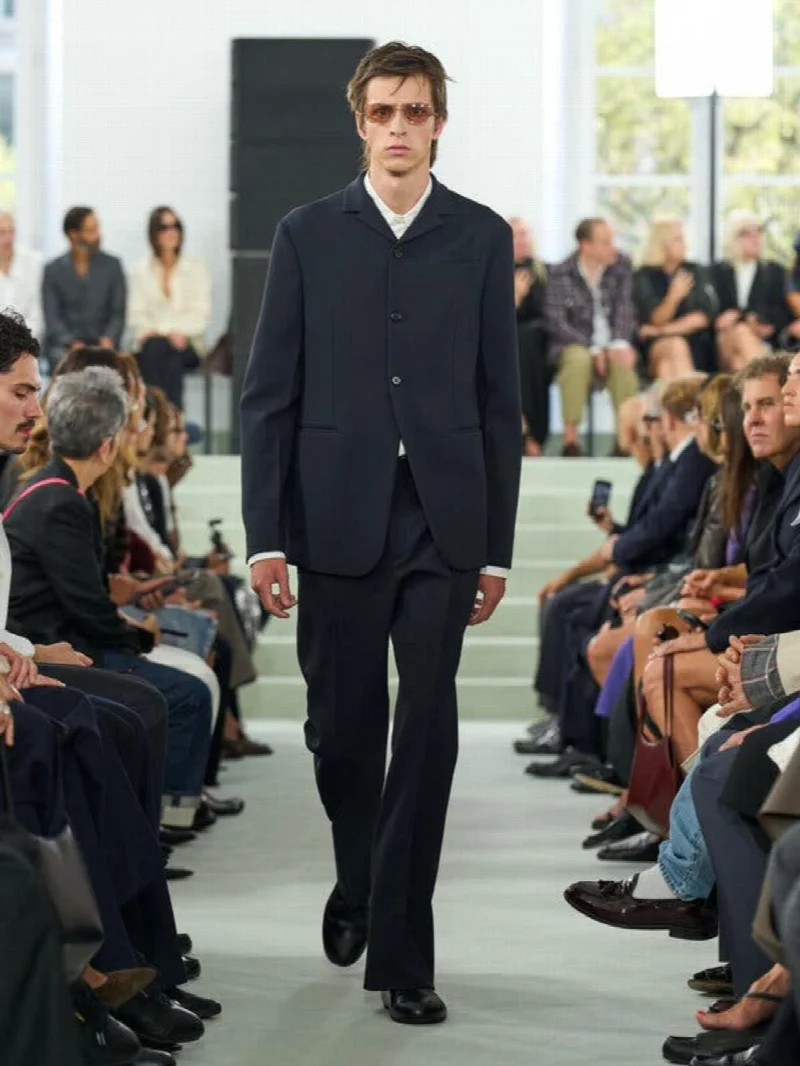 Jil Sander, Diesel и Prada: как читать показ мод по пяти выходам Один показ — это не дефиле, а тест на внимательность: пять выходов скажут больше сотни образов, если смотреть дважды. Мода 17 328
  Компьень и О-де-Франс: Пьерфон, Жерберуа, лес Ретц и аббатство Лонпон В О-де-Франс можно за день перепутать эпохи: руины аббатства, замок Виолле-ле-Дюка и сырная лавка, где Rollot пахнет Средневековьем. Франция без Парижа? Легко. Путешествия 17 687
  Виссан: дикий курорт Франции между мысами Гри-Не и Блан-Не Виссан веками заносило песком, жгло войнами и усеивало бункерами, теперь здесь продают ветер, дюны и десять километров пляжа как идеальный отдых. Путешествия 18 840
  Медальон с бирюзой в стиле ар-деко: украшение, которое продаёт не камень, а память Бирюза, золото и геометрия ар-деко снаружи, чужие лица внутри: индустрия давно смекнула, что продавать ностальгию выгоднее, чем сам камень. Платят не за граммы, а за право носить прошлое на шее. Мода 18 975
  Поколение Z ломает подиум: Marni, хаос и конец хорошего вкуса Marni в Милане сделал хаос главным трендом. Правила хорошего вкуса ушли на пенсию, а Поколение Z диктует моду на неидеальность. Мода 20 305
  Гранд-бульвары Парижа: как Осман превратил проспекты в машину шика и зрелищ Гранд-бульвары — не просто проспекты, а витрина парижского шика: театры, кафе-концерты и универмаги дисциплинированно превращали праздность в прибыль. Путешествия 19 951
  McLaren сменил логотип на шрифт из гаража Брюса Макларена McLaren решил, что солидность важнее агрессии: новый логотип — это шрифт с вывески гаража родителей Брюса, но теперь с амбициями на SUV. Авто 19 979
  Реконструкция музея в Сан-Паулу открывает забытых художников Бразилии После долгой реконструкции музей в Сан-Паулу вспомнил, что в Бразилии есть художники, кроме нескольких раскрученных имён. 39-я Панорама исправляет это. Шоу-бизнес 20 137
  Османовский Париж: от Плен-Монсо до Батиньоля Париж 1860 года поглотил Батиньоль, Монсо и Терн, а железнодорожные задворки старательно превратил в витрину османовского величия. Путешествия 20 267